The Founder Who Lost To TikTok Is Building Its AI Successor
This post is sponsored by Sekai
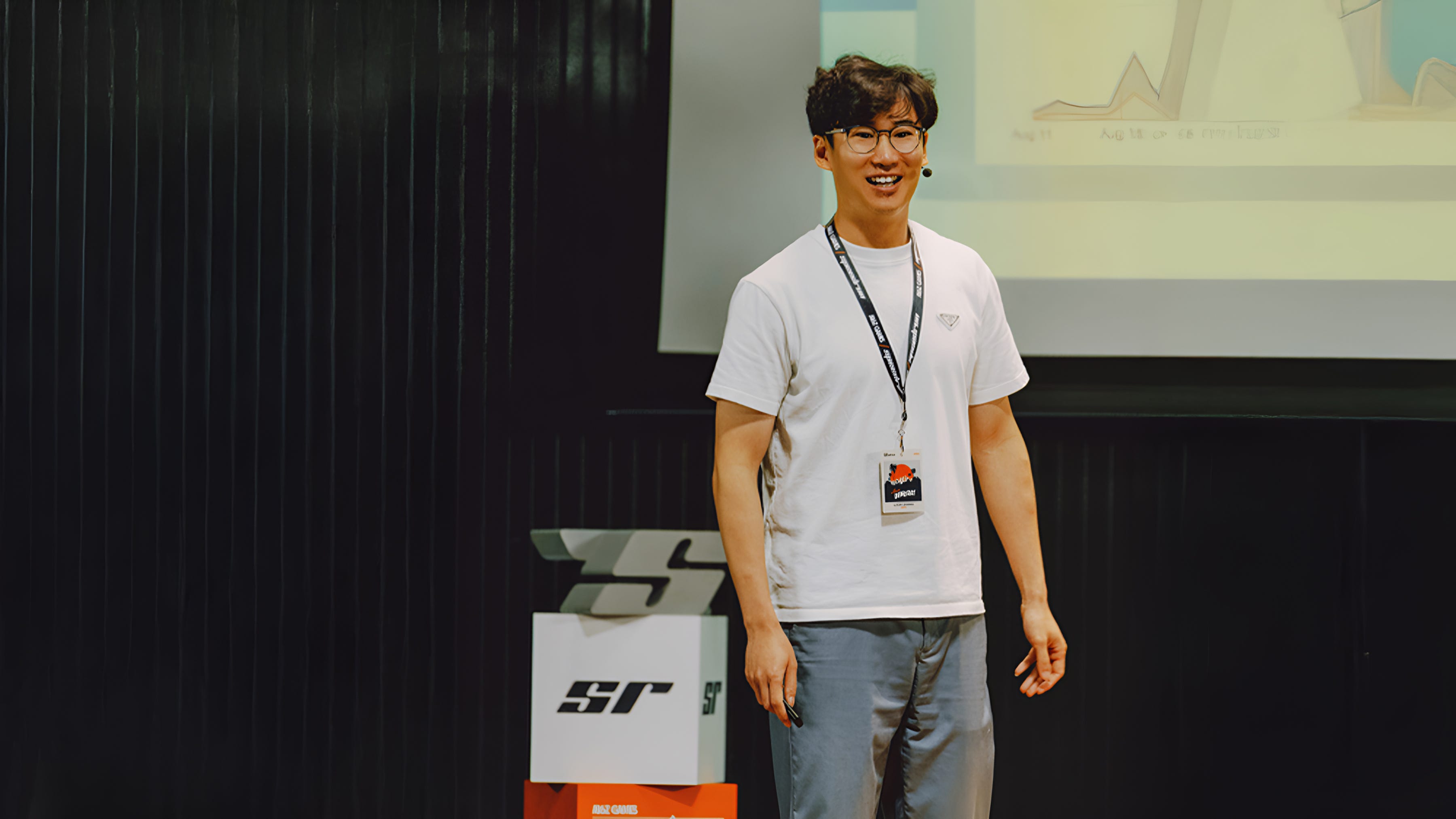
Lucky Zhang has spent a decade in the platform-building business, competing directly against TikTok in Latin America, studying its recommendation engine from inside ByteDance, and scaling apps to hundreds of millions of users.
Now his AI app creation platform Sekai is gaining traction as a product that lets anyone create playable mini-apps with simple text prompts, without the need to write a single line of code. One month after shipping its AI coding agent, Sekai is processing 50,000 daily app creations, and Zhang is setting out to build what he calls TikTok for personal software.
A Decade of Platform Wars
Zhang’s path to Sekai began in 2016, when he left Google as a software engineer to build an AI video e-commerce platform. That company scaled to 15 million users before Apple acquired it.
His next venture was a short-video platform in Latin America that became the largest local competitor to TikTok. ByteDance eventually acquired it, and Zhang spent a year inside the company studying TikTok’s recommendation engine. He followed that with a music streaming platform in Southeast Asia that reached 40 million users and remains the region’s largest player.
Across these ventures, Zhang built platforms that collectively reached more than 100 million users. But he never stopped thinking about how to build the next social media phenomenon. “For the past decade,” he explains, “I’ve been thinking about how to build something everyone will like. To put it another way, I’ve been working to build the next TikTok.”
How Sekai’s AI App Creation Platform Works: Software As Social Content
Now, Zhang is betting on that future with Sekai, an interactive mini-app social platform where users can create apps with simple text prompts, no coding required. Users simply type what they want to build, whether it’s a Christmas card, a meme generator, or a mini-game, and Sekai’s app maker produces a working app in seconds. The social content platform AI positions itself as TikTok for personal software, making app creation as accessible as posting a video.
The company initially spent over a year building interactive text-based content for anime fans and gamers before pivoting to mainstream AI-powered app creation. But when Gemini 3.0 launched in November 2025, Zhang recognized an inflection point: the new model could generate working apps from one or two prompts. The team pulled two all-nighters, and Sekai shipped its no-code AI app builder 48 hours after the November release.
Now users can remix existing apps the way they might play with TikTok filters, with customized controls for each content type: message fields for cards, music pickers for audio apps, and mechanics adjusters for games. Plus, Sekai’s recommendation algorithm acts as a natural selection mechanism, surfacing the best AI-generated apps while filtering out broken or overly complex creations.
“We’re targeting the 99% of people in society who wouldn’t call themselves builders,” Zhang says, “those who wouldn’t even think developing apps is a thing for them.”
From Zero to a Million Apps
Within one month of launching its AI-driven app maker feature, Sekai scaled to 50,000 daily app creations, reaching 30% of market leader Lovable’s volume of 100,000 daily apps.
The platform has created nearly 1 million apps total. For comparison, it took the Apple App Store 17 years to achieve 2 million apps. “Given our current speed,” Zhang points out, “we could reproduce the whole App Store’s apps within three months. That’s how fast the world is changing.”
The AI-driven social content platform has attracted 2 million users, initially through niche word-of-mouth in anime and gaming communities before pivoting to mainstream social sharing. When someone creates a Christmas card and sends it to friends, those friends wonder how it was made and arrive at Sekai. And Zhang considers that casual approach to app-making crucial to Sekai’s appeal.
“Most people wouldn’t want to build a website for their company, if they even have one. But they do want to see a meme, or remix a meme, or something that roasts their friends. And that’s the experience that we offer.”
Sekai’s internal team, which includes an engineer who spent nine years at TikTok and a coding agent lead who previously led a 20-person AI research lab, is capitalizing on this newfound momentum by developing new features daily, iterating on user-created content, and tuning its coding agent to support better formats and interactions. Zhang views this velocity as both a competitive advantage and a reflection of the moment.
Building for the Next Paradigm
Zhang sees software following the same historical pattern as text and video. Text started as email and documents, professional tools with utilitarian purposes. When the cost of writing dropped to near zero, text became SMS and Twitter, media for expression and entertainment. Video followed a similar arc, evolving from films made by professionals to TikTok clips made by anyone with a smartphone.
“For the past 40 years, software was designed to serve utility. It has to solve a problem,” he says. “But once everyone can create it, you’ll have billions of software. They’re not going to solve your problem, because you can afford to use it to express yourself. You can afford to socialize with it.”
Sekai is betting that the first wave of creators on its interactive mini-app social platform will not be professional developers. Just as TikTok’s earliest viral stars were lip-sync performers rather than filmmakers, Sekai expects its breakout creators to be Gen Z and Gen Alpha users who see code as a creative language rather than a technical skill.
With Sekai only continuing to grow in usage and internal capabilities, Zhang thinks more broadly of how to manage the app. As he continues driving the AI app creation platform forward, his pitch is refreshingly straightforward: “We’re not building a SaaS tool. We’re building the largest and most expressive consumer platform of the AI era.”

